
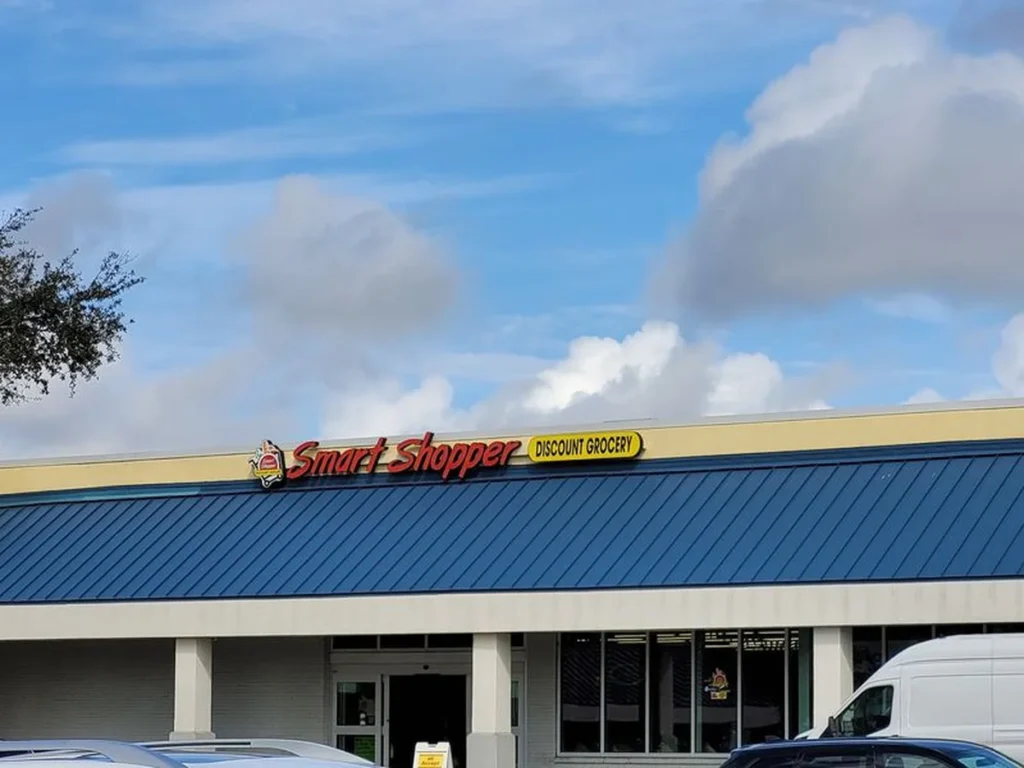
I went in for one loaf of bread. By the time I reached the register, my cart was full, my receipt was short, and I couldn’t quite explain it. That’s the thing about Smart Shopper Discount Grocery in Tampa: the shelves change almost daily, and the prices feel like a pleasant mistake.
If you’re in the area and the grocery budget is tight, this is a find worth planning a trip around. Bring a cooler, check your dates, and budget a little extra time — you’ll want to browse.
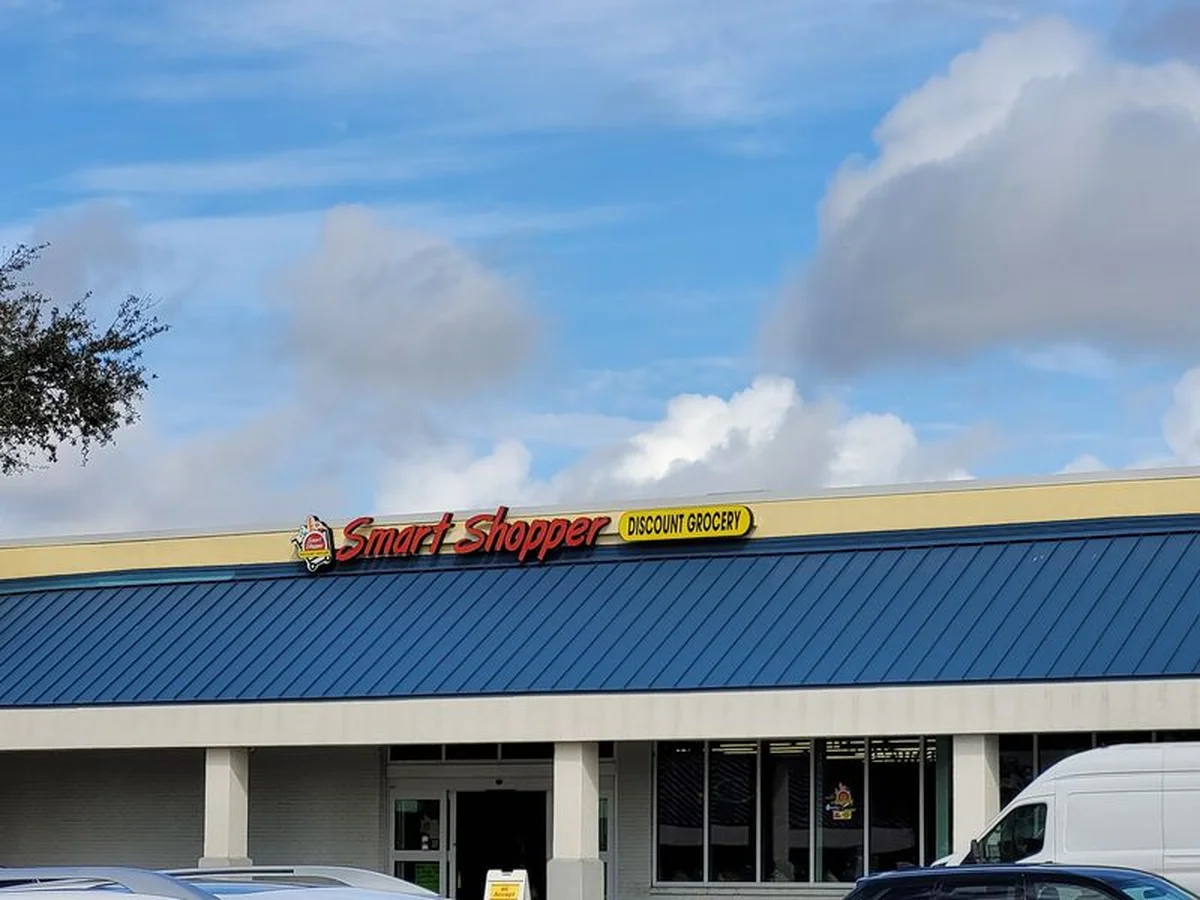
A plain storefront hiding real markdowns
Nothing about the outside shouts. It’s a quiet building on a busy stretch of Busch Boulevard in northeast Tampa, with a simple sign and a parking lot that fills with minivans and pickup trucks all day. Inside, it’s a small independent shop selling groceries at steep markdowns — some shoppers call this kind of place a scratch-and-dent grocery, meaning the stock often comes from overruns, packaging changes, or items close to (or past) their best-by dates.
The payoff is price. Markdowns can reach up to 70% off typical retail.
From downtown Tampa the drive is roughly 20 minutes depending on traffic. The full address for your map app: 4950 E Busch Blvd, Tampa, FL 33617.
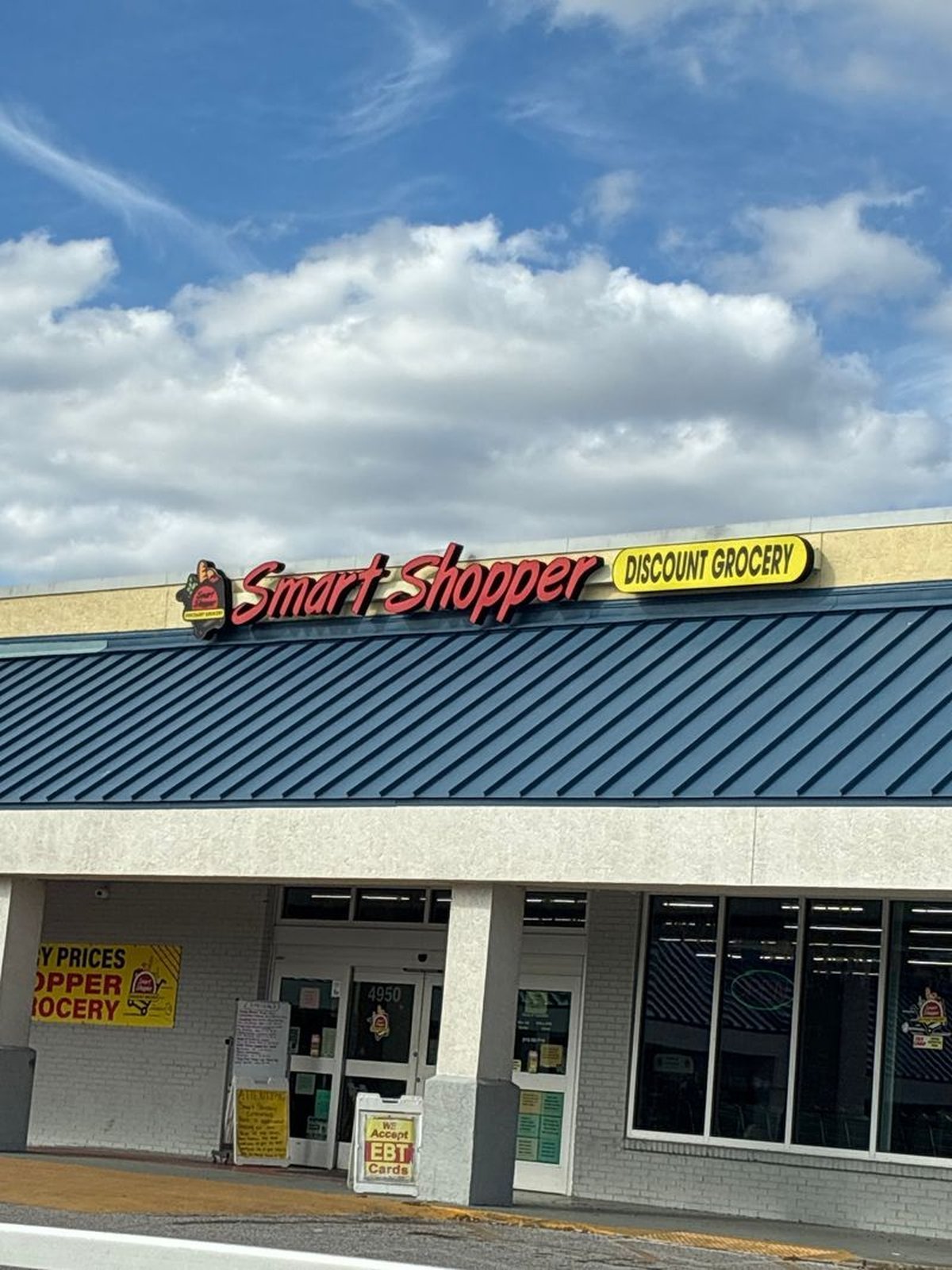
Why a tiny store survives while chains keep expanding
The owners celebrated seven years not long ago, and the shop is now closing in on eight. Behind it is a small crew working long shifts — unloading pallets, pricing items, greeting the same faces week after week.
The model is the answer. Buying directly from manufacturers lets the store pass savings on to shoppers, and the manufacturers guarantee the products to the store. It also cuts food waste: still-usable groceries get a second chance instead of a trip to the landfill.
Local television noticed too. The store was a highlight on ABC Action News, listed as a go-to spot for higher-end food at affordable prices. And the loyalty runs deep — the same employees have staffed the registers for years.
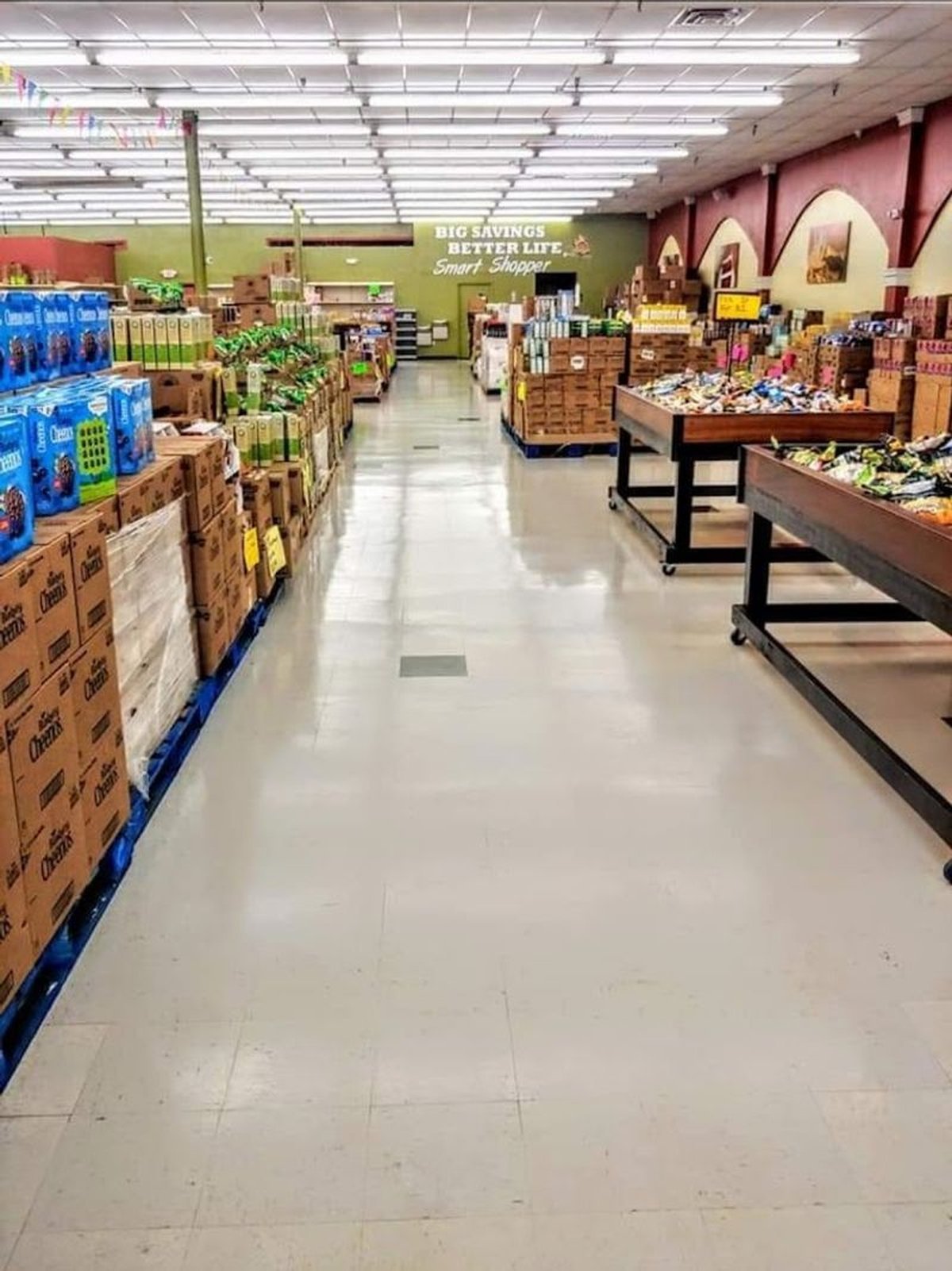
Prices that make you double-check the receipt
A full cart for around $60 sounds like a coupon fantasy. Here, it happens — one haul was described as well over a shopping cart’s worth of groceries for that amount. Another trip produced a giant box of food for roughly $50.
Specific bargains keep popping up:
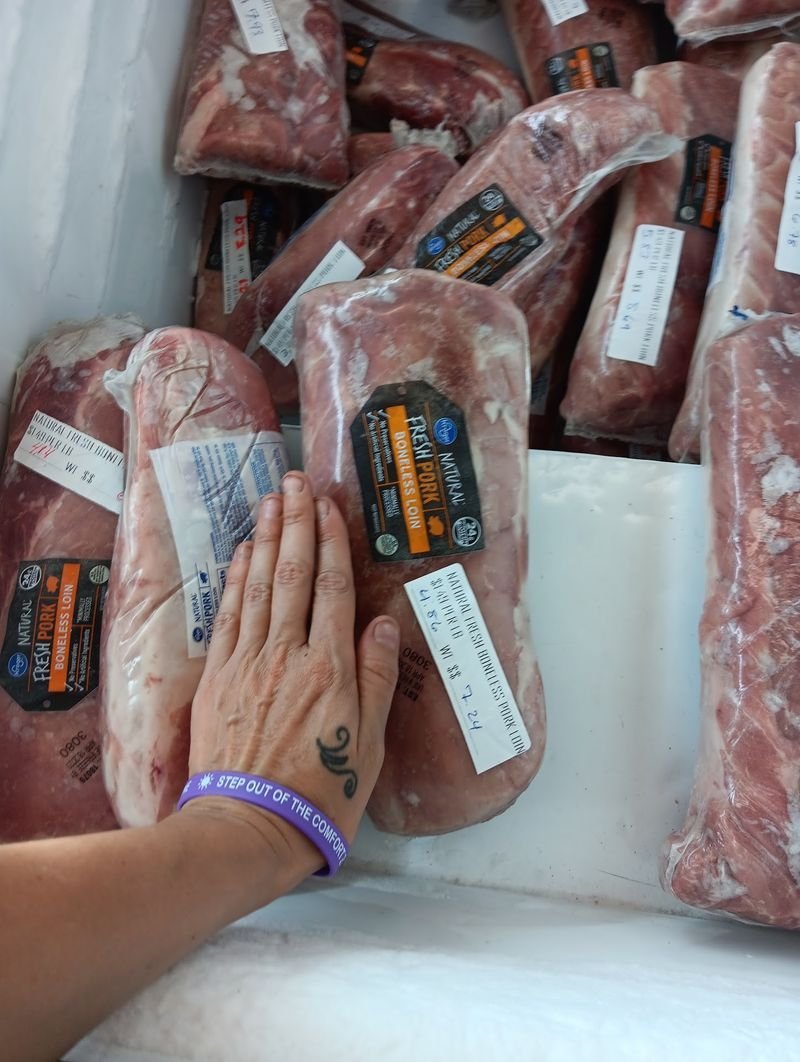
- Ground turkey going for a couple of dollars a pound
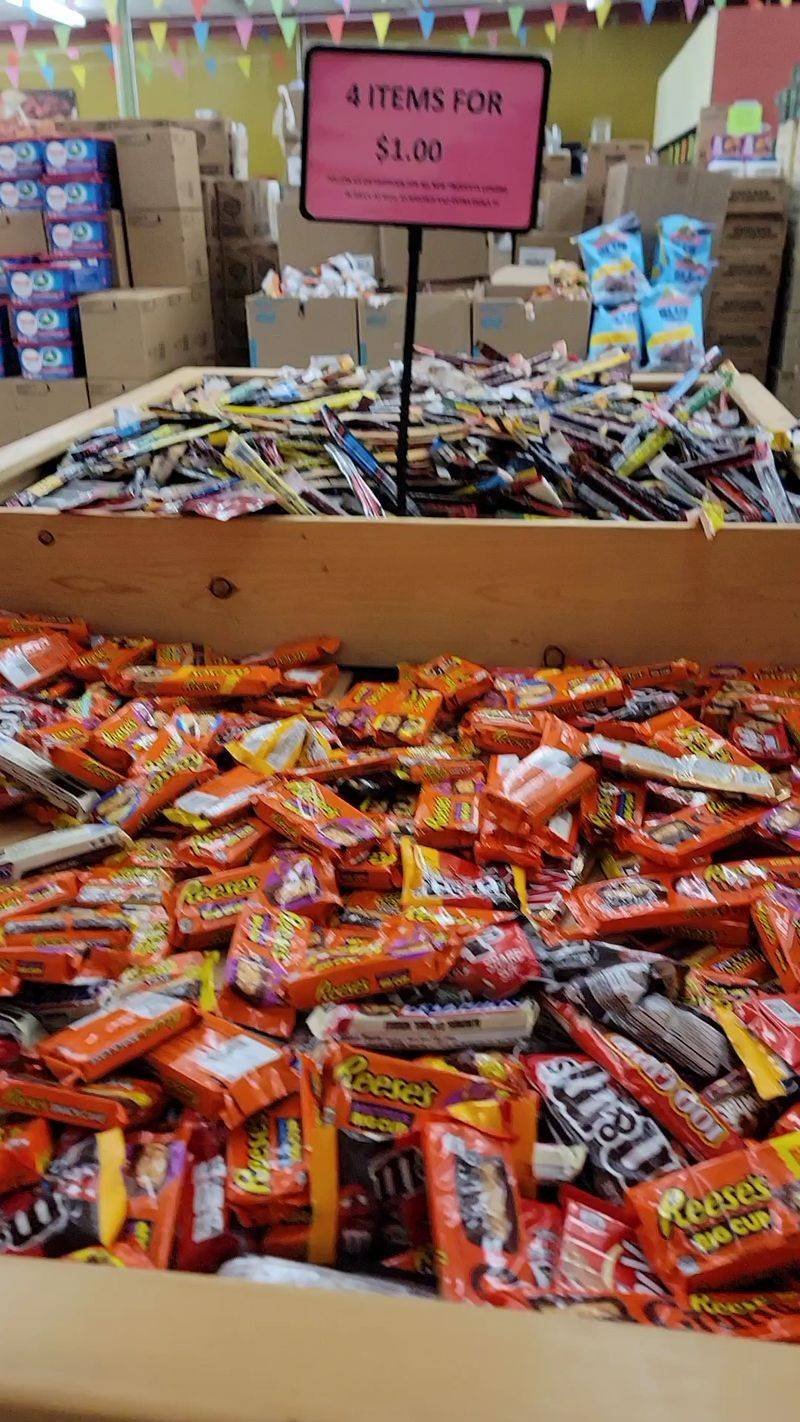
- KitKat and Kinder bars bundled at four for $1
- Frozen dinners, desserts, and pantry staples well below supermarket shelf prices
But pricing swings. Some items are a steal, others sit closer to regular retail — especially older stock. So glance at the price tag and the date before anything goes in the cart.
My tactic is simple: walk every aisle once without grabbing anything, then circle back for the true standouts. The first lap keeps impulse buys in check. If you’re feeding several hungry kids, the difference shows up fastest here, since meat, cereal, and snacks add up quickly at big chains.
The freezer aisle is where the value lives
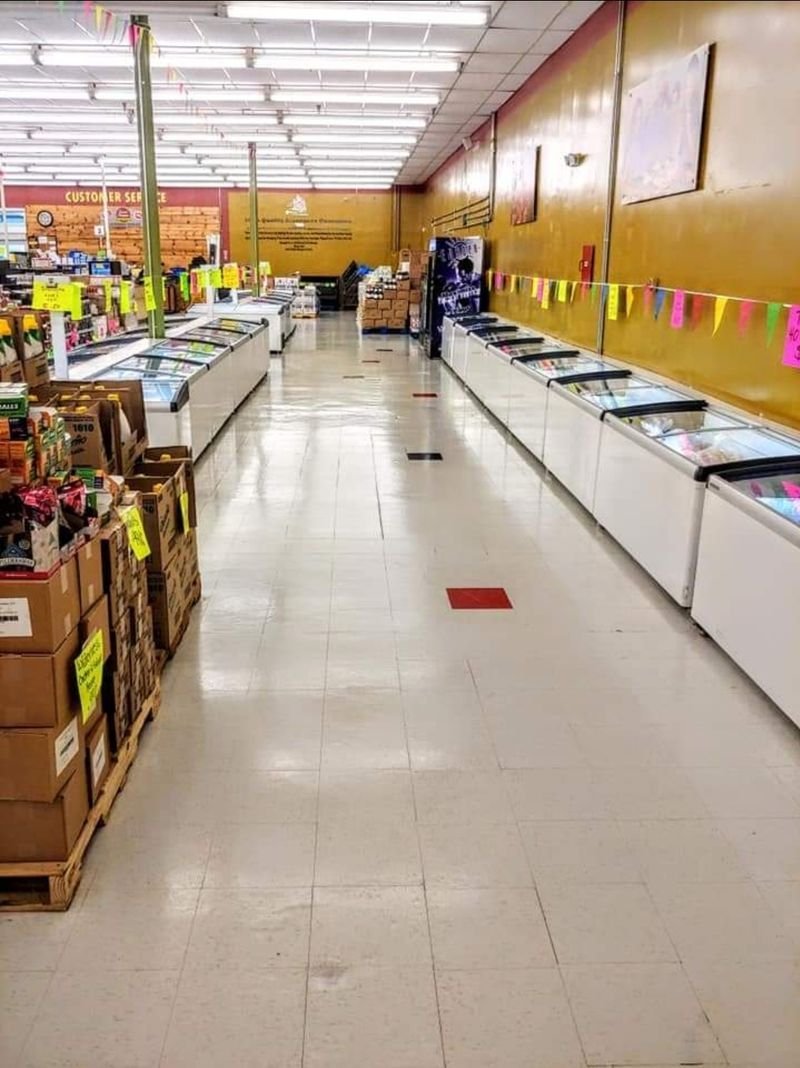
Cold air hits your arms the moment you lean over the chest freezers. Inside: stacks of frozen chicken wings, ground beef, fish fillets, and packaged meals in neat rows.
Frozen is one of the strongest categories in the store. Meats and seafood arrive frozen and stay frozen, which keeps them preserved for long stretches. The owners point out that meat bought before its printed date and kept in a home freezer stays safe well past it.
If budget is tight, this is where you load up on protein. Ground turkey, chicken, beef, and fish are the items that eat up grocery money at big chains — buying them in bulk at a discount frees up cash for everything else.
One note: frost or cloudiness on the clear plastic wrap comes from the extremely cold freezers, not spoiled meat.
And plan ahead. Tampa heat thaws a trunk full of frozen goods fast, especially on summer afternoons. A cooler with ice packs in the car turns a quick stop into a stress-free stock-up.
The stock never stays the same
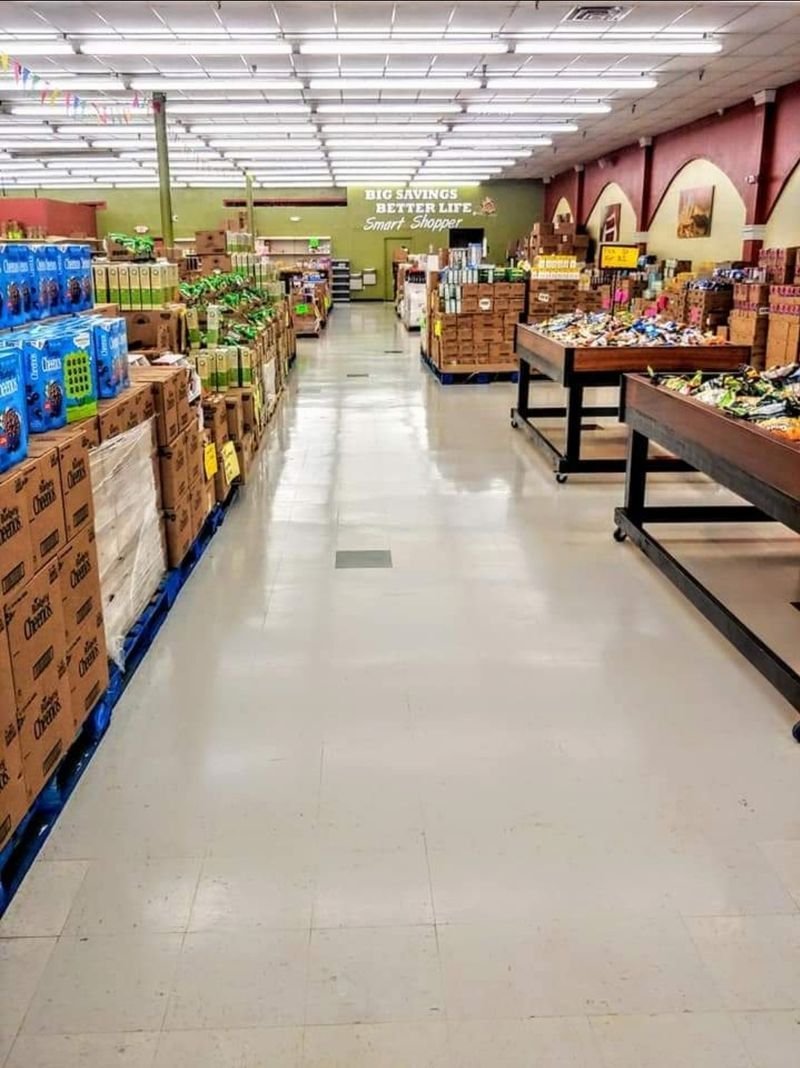
Here’s the fun part and the tricky part rolled together: what sits on the shelf today might be gone by next week. The owners openly say their inventory shifts daily. One visit might bring a wave of name-brand cereal; the next could offer gourmet sauces, specialty snacks, or bulk canned vegetables.
That rotation creates a treasure-hunt feeling. Browsing becomes part of the outing, and kids often enjoy spotting unusual treats as much as adults enjoy the savings.
Because selection varies so much, the store works best as a first stop rather than a one-stop shop. The owner’s own advice: come here first, then fill in the gaps at a regular supermarket. Some pantry basics simply won’t be in stock on any given day.
Two habits make it smoother:
- Follow the store’s Facebook page — new arrivals and weekly deals get posted there, so you can time a trip around the items your family uses most.
- Keep a flexible grocery list. Swapping one brand of pasta for another costs you nothing and can save plenty.
Best-by dates: what they actually mean
Dates matter at a store like this. Many items carry best-by labels, and some on the shelves are close to or past them.
According to USDA guidance, a best-by date usually signals peak quality, not safety. Shelf-stable foods like canned goods, cereals, and snacks generally remain safe to eat after that date, though flavor or crunch might fade a bit. The store posts official USDA date guidelines in several visible spots — take a minute to read one — and the owners encourage shoppers to look up the same guidance on the USDA website for extra peace of mind.
Still, check each package. Look at the date, the seal, and the overall condition before buying, especially snacks, chips, and candy, which lose freshness faster.
Fussy about dates? Stick with frozen meats and canned staples — they hold up best over time. And staff can explain the dating system if you’re unsure; asking at the register is always an option.
There’s a guarantee behind every purchase
“We stand behind our 100% guarantee,” the owners have said in response to shopper questions. If you’re unhappy with an item, bring back the product or your receipt and the team will make it right.
That carries real weight in the discount grocery world, where shoppers sometimes feel they’re gambling on older stock. The manufacturers guarantee the products to the store, which lets it extend the same assurance to you. The store also describes itself as USDA-approved and food safety certified — I’d treat those as the shop’s own word and check the posted date guidelines yourself, but it’s a transparency effort worth noting.
Keep your receipt tucked in your wallet or snap a photo of it. Returns stay quick and easy. Find a problem at home? Call or stop by during business hours and let the staff handle it. Many small shops treat returns as a hassle; this team frames them as a chance to keep you coming back.
The staff who remember your name
Marta. Teresa. Those cashier names come up again and again — for good reason. The checkout line works like a front porch conversation.
Friendliness is the standout trait here, even more than the prices. Staff greet shoppers at the door, answer product questions, and help locate items without a hint of impatience. They know the stock well, which helps when it keeps changing. Regulars get recognized — couples who shop weekly find employees remembering them, asking about their week, and pointing out new arrivals they might like.
The owners describe customers as their second family, and the atmosphere matches that. One newcomer who had just moved from New York became a regular after a single visit and now makes a 30-minute drive to shop here. In a world of self-checkout kiosks, a cashier who chats with your kids and bags your groceries feels old-fashioned in the best way.
Bags, boxes, and a little help
Unlike some budget chains, this store actually packs your groceries for you. No quarter-deposit carts, no scrambling to bag items at the end of the belt. Bags come free, and cardboard boxes are often available for big hauls — boxes stack neatly in the trunk, which is ideal for canned goods and heavy pantry items.
The owners do encourage reusable bags when you can bring them. It keeps the small business’s costs down, and those savings flow back into low shelf prices. Consider tossing a few sturdy totes in the car before you head out.
A family of five loading up for the week can leave with several boxes of food. Staff packing speeds checkout up and makes the visit smoother, especially with little ones in tow.
One tip: pack frozen items together in one bag or box. They stay colder on the ride home, and unpacking is quicker once you pull into the driveway.
Produce and snacks: the rotating bonus
Fresh apples, onions, potatoes, and leafy greens appear in the produce section, though the lineup rotates like everything else in the building. Quality varies day to day — some batches are fresh and crisp, others soften faster than expected. Inspect each item before bagging it; that’s the difference between a bargain and a waste. There’s even a bin marked for discarded produce, and the owners ask shoppers to help move past-its-prime items into it.
My rule: grab hardy produce like potatoes, onions, carrots, and citrus — they hold up best. Check delicate berries or lettuce carefully and eat them soon.
The candy aisle is where families win twice. KitKat bars, Kinder chocolates, chips, and cookies often show up far below what a convenience store charges. School-lunch snacks, after-practice treats, and beach road-trip fuel can all be gathered without draining the wallet. And because an unfamiliar brand of granola or a box of gourmet crackers costs so little here, experimenting feels risk-free — your kids might discover a new favorite along the way.
Who this is (and isn’t) for
Walk the aisles on a busy afternoon and you’ll see a real cross-section of Tampa life: young parents with toddlers in the cart seat, retired couples comparing canned soups, college students from nearby campuses stretching a tight food budget.
Large families benefit most from the bulk savings on frozen meats and pantry staples — a single weekly trip can supply several days of dinners. Retirees on fixed incomes appreciate the calm pace and personal attention. Adventurous shoppers who enjoy a treasure hunt have fun too, finding specialty foods at deep discounts.
Who’ll be frustrated? Anyone who needs one exact product every week. Rotating stock means that specific item might not be there — flexibility helps. And if cutting food waste matters to you, this is a quiet win: usable food that might otherwise be tossed stays in circulation.
Timing, hours, and getting there
Early birds win here. The doors open in the morning and close by early evening, so after-work shopping requires planning. Sunday is a day off for the staff. Hours can shift, so check before driving out — a quick look at the store’s Facebook page or a phone call saves an unnecessary trip.
Mornings bring the freshest arrivals, since new stock hits the shelves as it comes in, and weekday visits tend to feel calmer than Saturdays. Getting there is simple: the store sits on East Busch Boulevard in northeast Tampa, close to Interstate 275 and the University of South Florida area. Drivers from Brandon, Temple Terrace, or Wesley Chapel can usually reach it in under half an hour, traffic permitting.
Bring a cooler with ice packs, reusable bags, and a flexible list. During Florida summers, afternoon thunderstorms roll in quickly — aim for a morning run to beat both the heat and the rain, and your frozen goods will make it home in better shape.
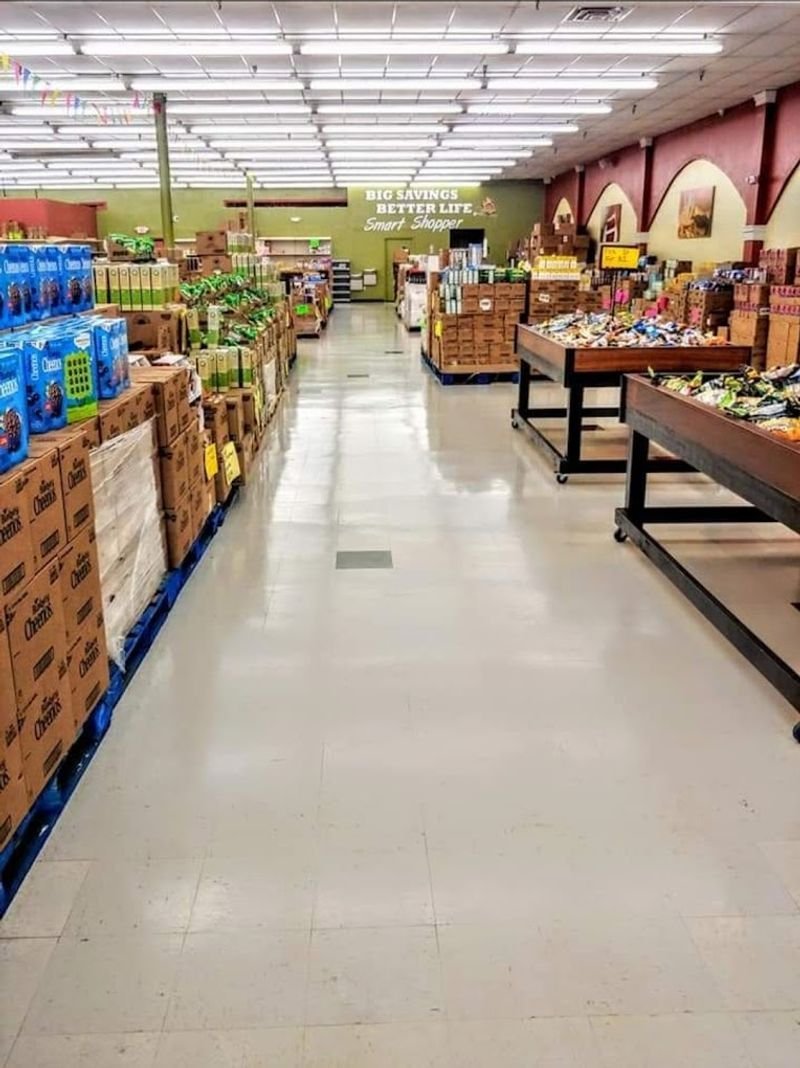
Worth It? Worth it, with one condition. This store rewards you if you show up curious, flexible, and a little patient — and it won’t replace your regular supermarket, because it’s not meant to. As a first stop for deeply discounted meats, snacks, and pantry basics, it’s a standout grocery run for budget-focused families in Tampa. If you need exact products every week, it’ll frustrate you.
FAQ
Is the food safe if it’s past its best-by date?
Best-by dates usually signal peak quality, not safety, per USDA guidance. Shelf-stable items generally stay safe after that date, but check the seal and condition before buying — especially snacks and candy.
Do I need to bring my own bags?
No — bags come free and boxes are available for big hauls. That said, the owners encourage reusable bags, which help them keep shelf prices low.
When should I go for the best stock?
Mornings, on weekdays. New stock hits the shelves as it comes in, and weekday visits are calmer than Saturdays. The store is closed Sundays, and hours can shift around holidays.
A note from Dana: I’ve chased a lot of grocery deals, and few of them come with staff who actually know your name. The prices here do the heavy lifting, but the welcome is the part that keeps families coming back week after week.