
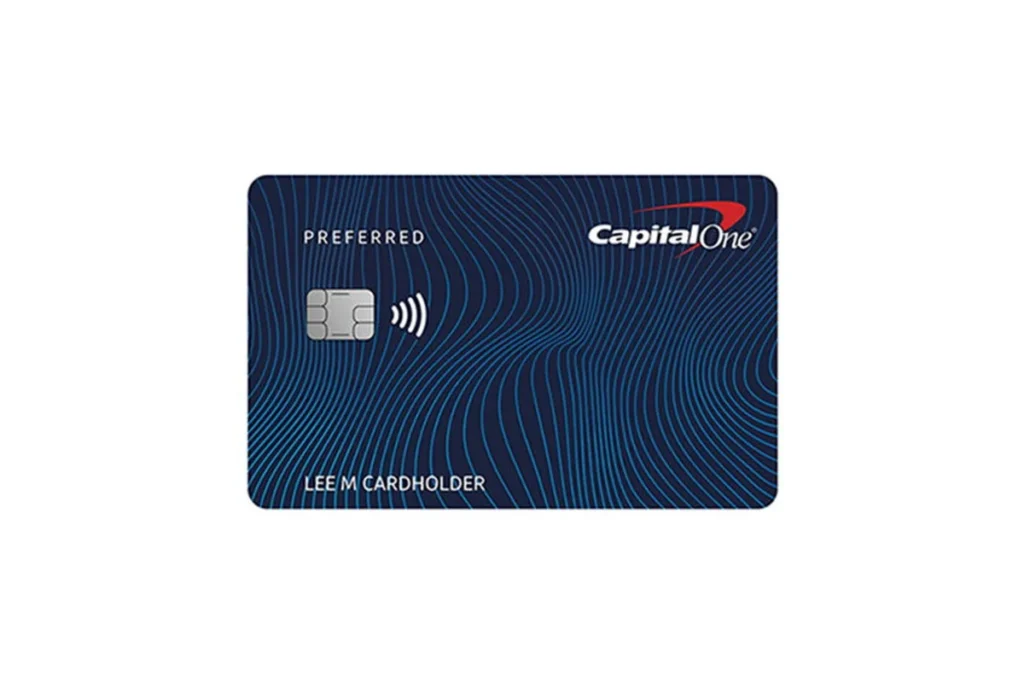
I was staring at my credit score in a credit app last week, trying to figure out if it was ‘high enough’ to apply for a no-fee card. That’s when I started seeing 580 quoted everywhere as the magic number for the Capital One Platinum Credit Card.
Except here’s the thing nobody leads with: Capital One doesn’t actually publish a minimum credit score for this card. That single fact changes the whole ‘am I eligible?’ question, and it’s worth spending five minutes on before you click apply.
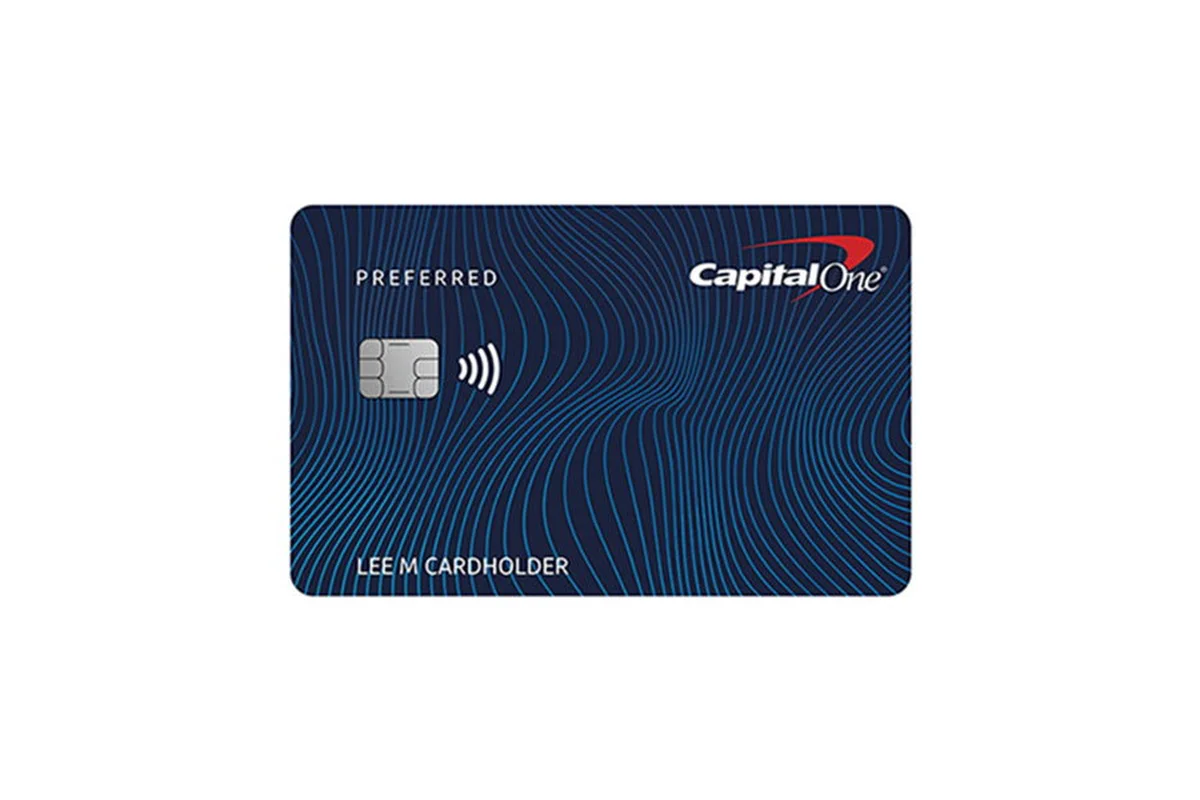
The short answer: there’s no official floor
You’ll keep seeing 580, and that’s not a wild guess. It sits inside the FICO ‘fair credit’ range, and third-party card reviews generally recommend the Platinum for applicants with fair credit, with estimated ranges starting around 580. But ‘estimated’ is doing a lot of work in that sentence.
Capital One’s own pages say the card is listed for people with fair credit — and that you don’t need a credit score at all to be approved. A person below 580 can qualify. A person well above 600 can get declined. The issuer looks at your application and credit report, not one number on a dial.
So 580 is a rough compass needle, not a cutoff. The better benchmark is Capital One’s eligibility check itself, which I’ll get to in a second.
How ‘fair credit’ actually works here
Capital One defines its credit categories in ways that have nothing to do with a single score. You may fit its fair-credit category if you’ve defaulted on a loan within the past five years, or if you have what it calls a limited credit history — meaning you’ve held your own credit card or other credit for less than three years.
That last part matters more than people think. It includes students, people who are new to the United States, and folks whose credit history comes mostly from being an authorized user on someone else’s account. You can have a decent score with barely any history behind it, or a lower score with enough in the rest of your profile to get approved. The Platinum is built for that middle ground.
And yes — if you have no traditional credit score yet, you can still be approved. No score doesn’t mean no review, though. Capital One can still look at your application details, like income and housing costs, plus whatever credit history does exist.
Check eligibility before you accept anything
Here’s the move I’d make before applying to anything: Capital One lets you check which of its cards you’re eligible for before you accept an offer, using a soft credit inquiry. A soft pull doesn’t lower your score.
There’s little reason to guess whether your number is ‘good enough’ when you can check first. If you do accept an offer, that’s when a hard inquiry happens — and a hard inquiry can cause a small temporary dip in your score. Also, checking eligibility isn’t the same as opening the account, so read the terms before you say yes.
What actually decides approval (it’s not just the score)
Capital One looks at the whole picture. From the issuer’s guidelines, these are the levers that matter:
- Payment history — recent late or missed payments weaken your profile; consistent on-time payments help.
- Income — whether your income supports one more credit account.
- Housing costs — your rent or mortgage affects how much room you have for additional debt.
- Existing debt — large balances and monthly obligations make another card harder to support.
- Credit utilization — high revolving balances relative to your limits can hurt your score and signal heavy reliance on credit.
- Recent applications — multiple hard inquiries in a short window show you’ve been shopping for several new accounts at once.
- Credit history — both how long you’ve had credit and how you’ve handled existing accounts.
You don’t need every one of these to be perfect. That’s the whole point of a card aimed at fair credit rather than good-or-excellent credit.
Don’t confuse it with the Platinum Secured
The Capital One Platinum and the Capital One Platinum Secured have almost identical names but are different products. The regular Platinum is unsecured — no security deposit, you just use the account.
The Platinum Secured requires a refundable deposit of $49, $99, or $200 for a starting credit line of at least $200, depending on the terms offered to you. Capital One lists the regular Platinum for fair credit and the Secured for rebuilding credit. If you’re unsure which fits your profile, that eligibility check from earlier is exactly what it’s for — you might qualify for the unsecured version and keep your deposit money in your pocket.
What you’re actually getting (and what you’re giving up)
The Platinum is deliberately simple. The features:
- $0 annual fee — no yearly fee to keep it open.
- No security deposit — unsecured.
- Credit reporting — responsible use can build positive history as Capital One reports to the credit bureaus.
- Automatic credit line consideration — a higher credit line in as little as six months.
- CreditWise access — credit monitoring and score information.
- Fraud protection — $0 fraud liability on unauthorized purchases.
The tradeoff is right there in the list: no cash back, no points, no miles. You’re trading rewards for accessible credit requirements. Whether that’s a fair deal depends entirely on what you’re using the card for.
Two things worth knowing up front. The automatic credit line review can consider you for a higher line in as little as six months — but an increase isn’t guaranteed. And the rate is the card’s biggest catch: the current purchase APR is 28.99% variable, with no 0% introductory period on the standard offer. Paying the statement balance in full isn’t optional here, it’s the plan. A quick math example: a $300 balance on a $500 limit is 60% utilization; that same $300 on a $1,000 limit is 30%. If a line increase comes through and your spending stays flat, your utilization drops — that’s the quiet win.
Worth It?
Worth it — if your goal is building history, not earning rewards. No annual fee, no deposit, and a card that reports to the bureaus is a legitimate starter. But if you can already qualify for a no-annual-fee rewards card, the Platinum’s lack of rewards is a real cost, and the 28.99% variable APR punishes anyone who carries a balance.
FAQ
Is 580 really the minimum credit score for the Capital One Platinum?
No. 580 is the number most third-party reviews cite because it’s the start of the FICO fair-credit range, but Capital One doesn’t publish an official minimum. You can qualify below 580, and a higher score doesn’t guarantee approval — the issuer reviews your whole application and credit report.
Do I need a credit score to be approved?
Not according to Capital One’s fair-credit card page, which says you don’t need a credit score to be approved. You’ll still generally provide income and housing information, and any credit history that exists gets reviewed.
Does checking eligibility hurt my credit score?
No. The eligibility check uses a soft credit inquiry, which doesn’t lower your score. A hard inquiry — which can cause a small temporary change — only happens if you accept an offer.
Quick note: this is general information, not professional financial advice — check Capital One’s current card terms before you apply, since rates and fees can change.
A note from Dana
I’ve been guilty of the ‘wait until my score hits 700’ trap before, and honestly, checking eligibility first would have saved me the anxiety. If your credit is fair or thin, this is the kind of no-fee card that quietly builds history while you fix the bigger picture. Don’t let an unofficial number stop you from looking.
Related reads: our money-saving picks and today’s deals worth your time.