Our old health insurance plan was quietly eating our budget alive. $1,182 a month in premiums for my family of four, plus a $10,200 annual deductible. That meant we could face almost $24,384 out of pocket each year before coverage even kicked in. So when I started seeing 26% spikes in marketplace plans, I looked elsewhere.
That’s how I found Impact Health Sharing. A year later, I’ve got a clearer picture of whether it actually delivers on the promise — or if it’s just another well-meaning alternative that falls short when you need it most.
What Is Impact Health Sharing?
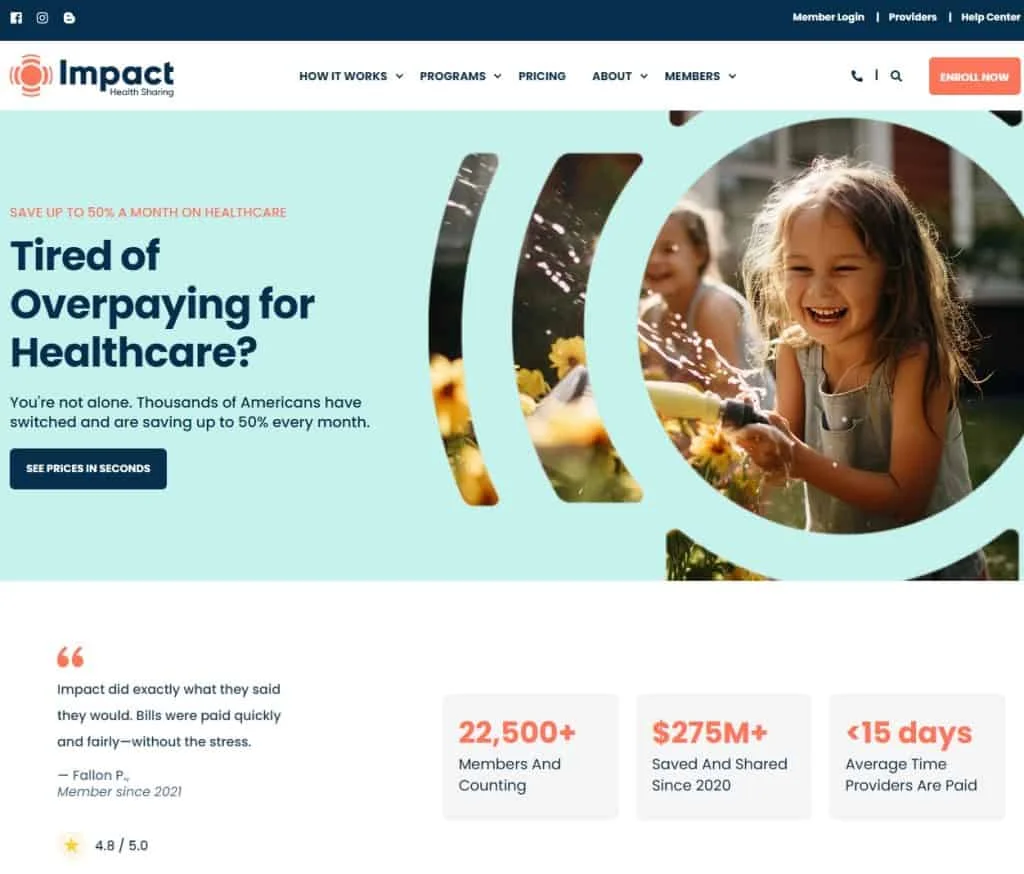
It’s not insurance. It’s a nonprofit arrangement where members contribute monthly shares to help cover each other’s eligible medical bills. The concept has been around since the 1980s, but Impact itself launched in 2020 by Phil and Angela Chrysler.
By 2025 they had grown to over 19,500 members and shared more than $275 million in medical needs. Unlike traditional insurers, there’s no profit motive driving rate hikes — Impact hasn’t raised prices in five years.
How It Works
You pick a plan based on your Personal Responsibility Amount (PRA), which works like a deductible. Once your cumulative costs exceed the PRA, the community shares the remaining cost. Bills are often paid within 15 days.
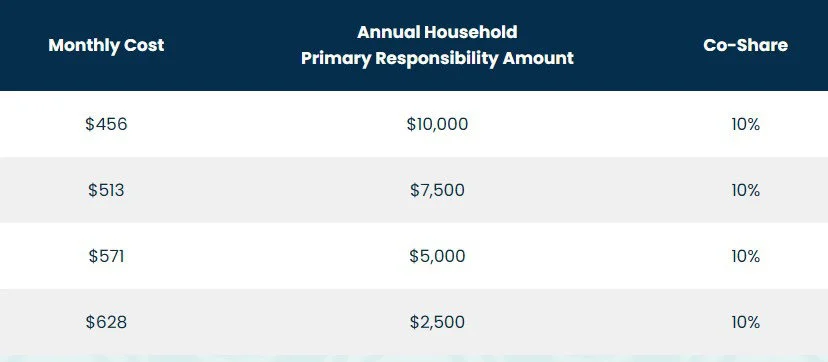
After the PRA is met, there’s a 10% co-share on eligible expenses — but it caps at $5,000 per household annually. No networks, so you can see any doctor. We kept our family physician in the Twin Cities without switching.
What We Paid
For my family of four with a $2,500 PRA: $628/month, or $7,536 a year. Our out-of-pocket maximum sat at around $10,036 annually (monthly fees plus the full PRA), not counting the 10% co-share beyond that.
Compare that to our old Health Partners plan at $1,182/month. That’s over $6,600 saved in premiums alone this past year — cash we redirected into retirement accounts and index funds.
Here’s how costs break down by household size:
- Individual: $73–$200/month
- Couple: $150–$400/month
- Family: $378–$800/month
- Seniors with Medicare: around $100/month supplemental
There are also wellness rewards — things like logging supplement purchases or healthy habits. Last month I earned $150 toward my PRA just from tracking our online supplement buys at Amazon. Over the year, those rewards shaved almost $1,800 off our PRA, meaning we only needed $700 in actual medical costs to reach it.
The Good
- Savings are real. The premium drop alone made this worthwhile.
- No networks. Freedom to choose any doctor without checking directories first.
- Extras included. Unlimited telehealth, $0 generic prescriptions (30 or 60-day supply), dental and vision discounts, free annual checkups with labs up to $150 covered.
- Fast payouts. Most bills cleared in under 15 days through their platform.
The Not-So-Good
- Not insurance. No state guarantees. If the ministry faces issues, you’re on your own. I keep an emergency fund bigger than usual because of this.
- Pre-existing conditions are a headache. This was our biggest frustration. My wife had several bills denied initially because a pre-existing condition was mentioned even on unrelated visits. We ended up having providers re-categorize the bills — all but one were eventually covered after doctor note revisions, but it took time and patience.
- Some providers hesitate. A couple of practices refused to submit directly to Impact, so we had to file those bills ourselves through their website. Not a dealbreaker, but an extra step.
My One-Year Experience
We had a handful of doctor visits and one ER trip for my kid’s sprained ankle. Most bills were submitted by the offices directly — though we did have to file a few manually. Telehealth saved us during a flu scare, no drive needed.
Shares covered everything above our $2,500 PRA, plus the 10% co-share on top. The whole experience felt more manageable than the old setup, even with the pre-existing condition wrangling.
Worth It?
Yes — if you’re generally healthy and want to cut premium costs without losing doctor flexibility. For families with major pre-existing conditions or high-risk profiles, traditional insurance might still be the safer bet. But for us, switching dropped our annual exposure from nearly $24,384 to about $10,036 plus co-share. That’s a meaningful difference.
A Note from Dana
I went into this skeptical — another insurance alternative promising more than it delivers? One year in, the savings are real and the community model works better on paper than I expected. Just go in knowing pre-existing conditions need some upfront homework. If you’re comparing options right now, Impact is worth a look.
FAQ
What is Impact Health Sharing?
A nonprofit health sharing ministry where members contribute monthly to share medical costs — an alternative to traditional insurance with lower premiums and no profit motive driving rates up.
How does it differ from health insurance?
It’s not regulated as insurance, so there’s no guarantee of coverage. But costs tend to be 30–50% lower, and you get wellness perks like free telehealth and $0 generic prescriptions.
Can pre-existing conditions be covered?
Yes, but it’s reviewed case-by-case. No exclusions for seniors 65+. Waiting periods may apply for some conditions — check Impact’s guidelines before joining.