
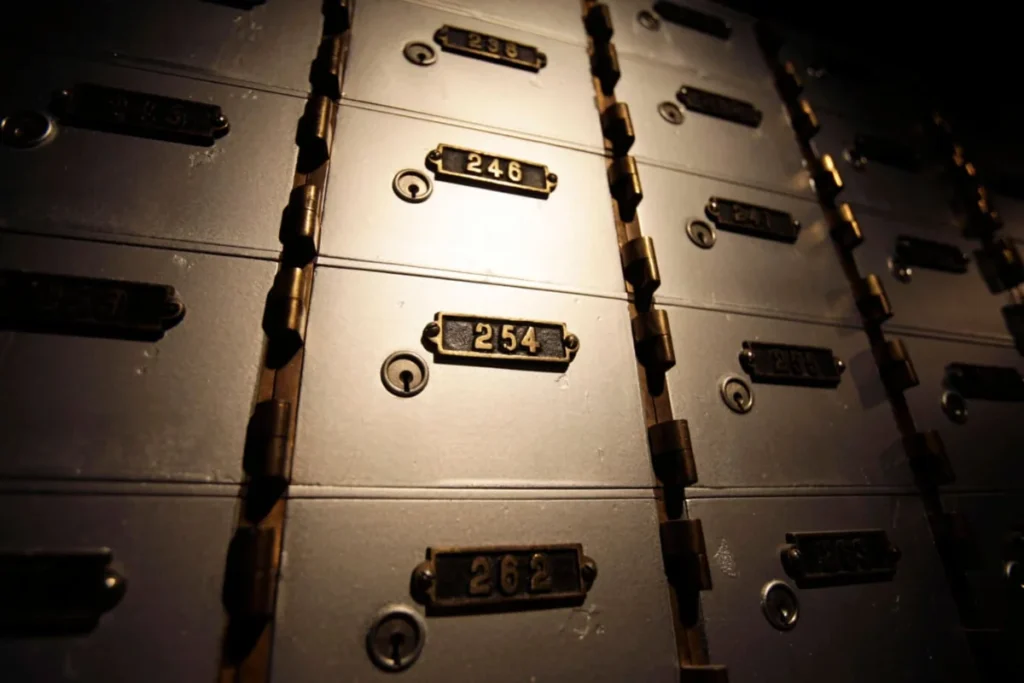
There’s a move that feels so sensible you almost never question it: important documents and prized possessions belong in a safe-deposit box. Locked, insured, in a bank vault. Who’d argue with that?
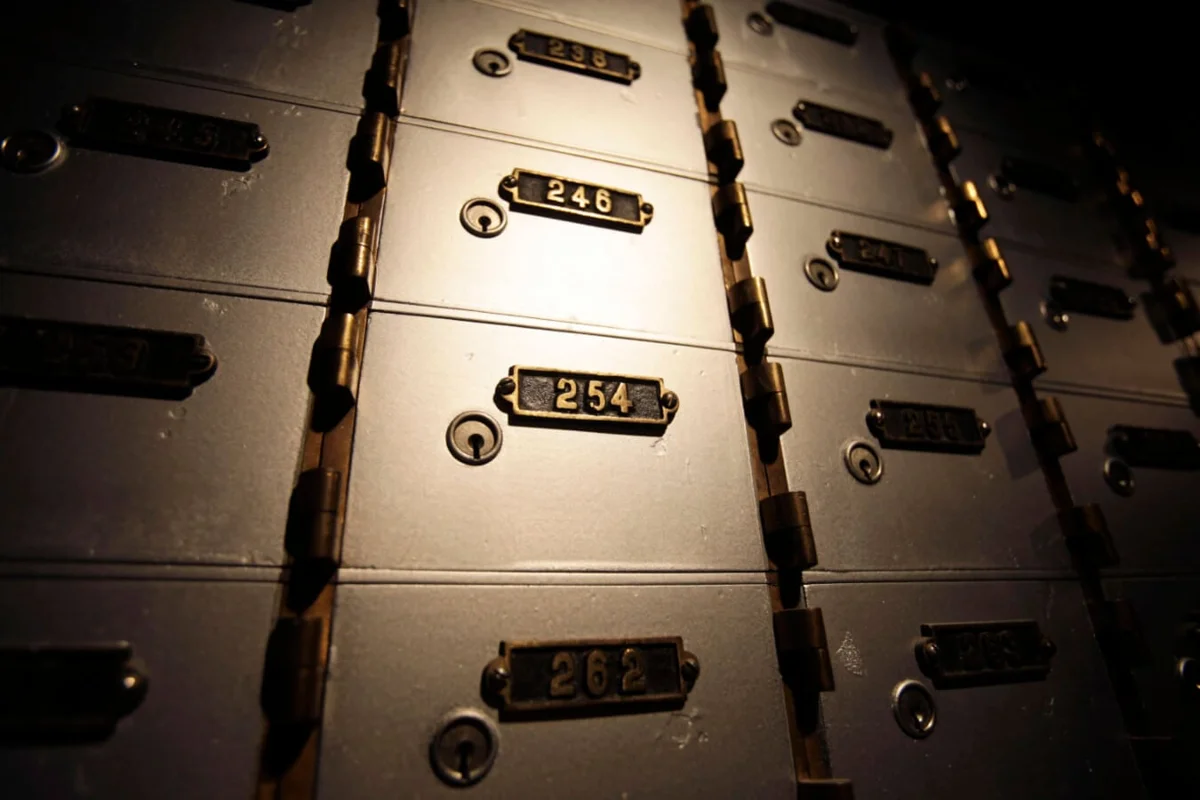
Here’s the catch I keep running into while digging through estate-planning stories: a box only works if someone else can actually get to it. And the worst moment for a box to be unreachable is the one your family needs it most.
The box that froze at the worst possible time
A Toronto photographer named Michael Cooper got a safe-deposit box to protect his passport, property deed and will from theft, fire, or flood at his house. Then he learned the detail most people miss: the box can be sealed pending probate when the holder dies — right when the will is most urgently needed.
“I realized that’s not the best place for a will,” Cooper says. He moved the will and the deed into a fireproof box at home instead.
Financial adviser David Boldovitch of Bold Financial has seen the same play out with real families — not because they made a bad decision, but because they never made one at all. Life insurance documents locked in a box, inaccessible for weeks after the policyholder died, because the family didn’t know which company held the policy or that the policy even existed. “This resulted in a significant delay of the claim ultimately being paid out,” he says. (Quick note: this is an adviser’s account of real cases, not professional estate advice — check your own situation with an expert.)
What actually belongs in a box
The lesson isn’t “get rid of the box.” It’s that the safest spot isn’t always the most accessible one, and the two should be different.
A good question before renting anything: what are you trying to protect? Boxes still do one job well — a genuinely secure spot for things that are costly to replace: original documents, collectibles, or sentimental items with no digital equivalent. As financial lives go digital, fewer items need a physical vault, though concerns about cybersecurity, floods, and fires are pushing some people back toward boxes for the handful of things that are truly irreplaceable.
So: will? Deed? Insurance policies your family needs to claim quickly? Those want to be reachable — a fireproof box at home does the job. Rare original, no digital backup, worth a lot if lost? That’s box territory.
Check the rules before you rent
Access varies a lot by institution, and the offerings have been shifting. Here’s the lay of the land from the banks in the stories I read:
National Bank has stepped away from boxes for new customers — existing holders can keep theirs, with a transfer option if their branch closes. TD Bank says demand hasn’t slowed: “We continue to see strong interest in safety deposit boxes, particularly in larger urban centres,” a spokesperson said. Scotiabank calls boxes “a valued service” offered at most branches. And Vancity, one of Canada’s largest credit unions, offers them at select branches and will find an available one when a member needs it.
Even the banks championing boxes are telling you the same thing: write it down and tell someone. TD’s guidance is to make sure a joint holder, trusted family member, executor, or power of attorney knows the box’s location and number, where the key is kept, and a general inventory of contents.
Two more things worth checking before you rent:
- Call ahead. Even Vancity’s model depends on availability, not guaranteed access — “put it in the bank” isn’t automatically the safest default anymore.
- If you’re using a private vault company instead of a bank or credit union, review its oversight, financial stability, and consumer protection framework. None of that is standardized the way it is at a regulated institution.
The one-page fix (no vault required)
None of this is really about boxes. It’s about a habit worth building early: document literacy. Most of us are still assembling the pieces — insurance, a will, investment accounts, mortgage papers. The instinct to lock things away works against us if no one else knows where “away” is.
The fix doesn’t need a vault or a lawyer’s office. It needs an afternoon: one document (digital is fine) listing what you have, where it lives, and who needs to know. Share it with a partner, a parent, or whoever would be picking up the pieces. Update it when things change.
As Boldovitch puts it, the real safeguard was never the vault. It’s the summary sheet sitting somewhere your family can actually reach. Not an app, not an account type — just knowing where things are before someone else has to go looking.
Worth It?
Verdict: worth it — with conditions. A box is worth renting if you have originals or irreplaceable items that can’t live at home. It’s not worth it as a dumping ground for documents your family needs fast. And it’s worth nothing if nobody knows it exists.
FAQ
Should my will go in a safe-deposit box?
Usually no. When you die, the box can be sealed pending probate — exactly when your family needs the will. Keep it somewhere reachable, like a fireproof box at home.
Which documents should go in the box instead?
Originals that are costly to replace and that nobody needs immediately: spare property deeds, collectibles, sentimental items with no digital equivalent. Anything needed for a quick claim or probate filing should stay accessible.
Are all banks still offering boxes?
No. Offerings vary by institution and are shifting — some have dropped them for new customers, others say demand is strong. Call your bank before you plan around one.
A note from Dana: I’ve got a drawer full of paper I swore I’d organize, and this is the nudge I needed. One page, one afternoon, done. Yours could be next week.