
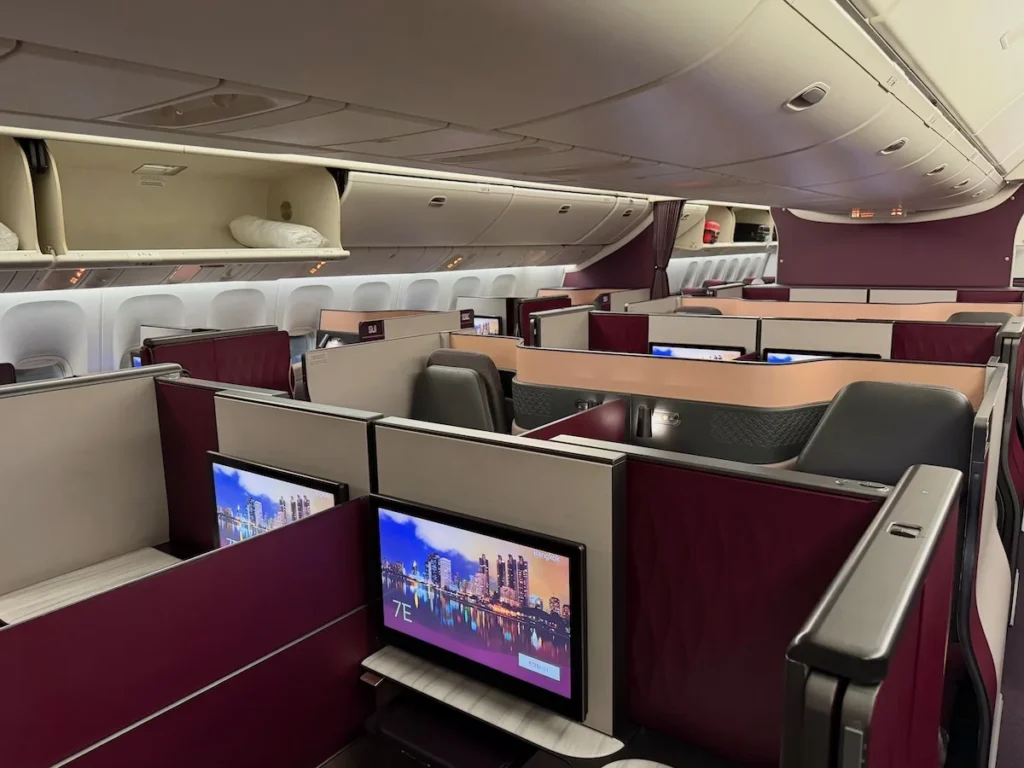
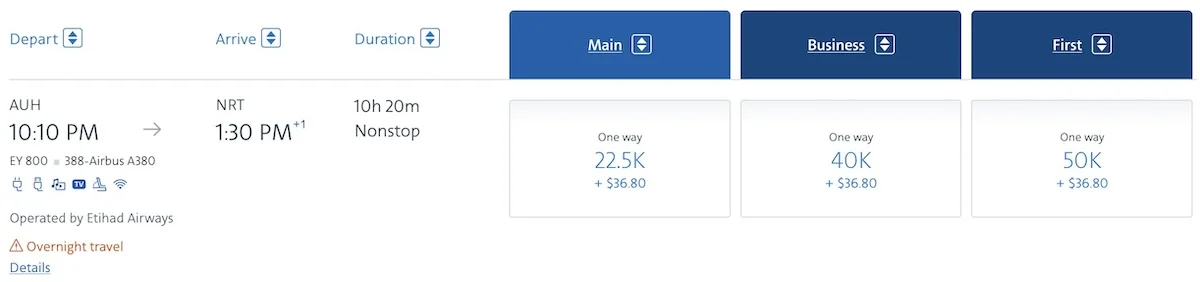
Here’s a scene that’s been repeating for me lately. I’m at my desk with coffee going cold, hunting AAdvantage award seats — American Airlines’ loyalty miles (the program that lets you cash in points for flights instead of paying cash). I land on a first class seat from Abu Dhabi to Tokyo. 50,000 miles. That’s basically a gift.
Then I close the tab and ask myself the question that’s been eating at me: if the deals are this good, why does the program feel like it’s slipping? Short answer: yes, the value has quietly dipped — but for the right routes, AAdvantage is still the best deal at the table. Here’s where I landed after digging in.
The good news up front
Before I get into the dip: AAdvantage still has some of the sharpest redemption rates (the cost, in miles, to book a flight) in the business, especially for long haul first and business class on American’s partner airlines. American publishes an award chart (a fixed list of how many miles each flight costs, regardless of the cash ticket price) — that alone puts it ahead of most rivals, who just price every booking on the fly.
The problem is what’s happened to the actual seats behind those prices.
Where the value has slipped: partner award seats
For years, the real value in AAdvantage came from booking partner airlines. That’s the channel I’ve been tracking, and the change is stark:
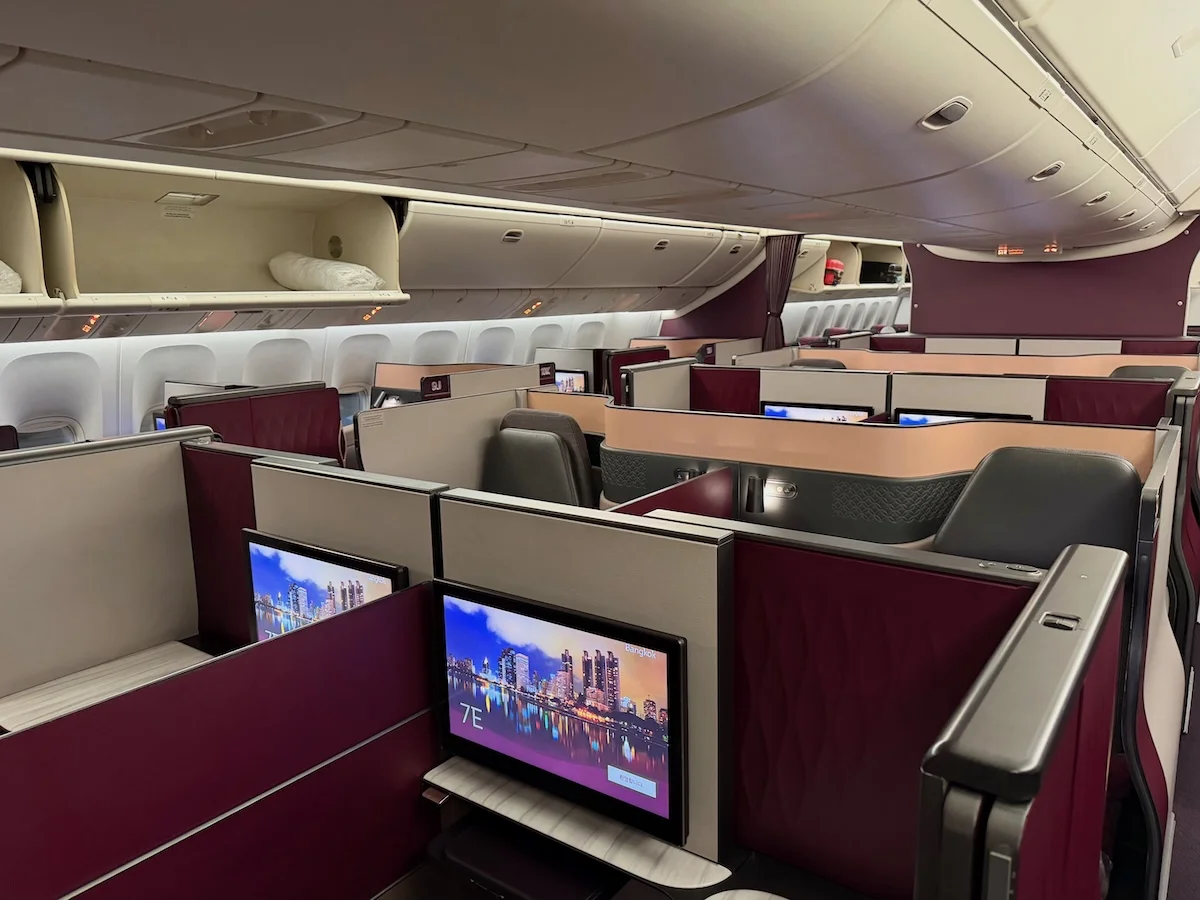
- Qatar Airways used to open up plenty of business class award seats for partner programs. Most of that space is now reserved for its own Privilege Club members, with a limited number of seats on top of that.
- Etihad Airways first and business class awards have been restricted too hard that you can at best hope for a last-minute seat.
- Cathay Pacific first and business class awards through partner programs are virtually non-existent nowadays.
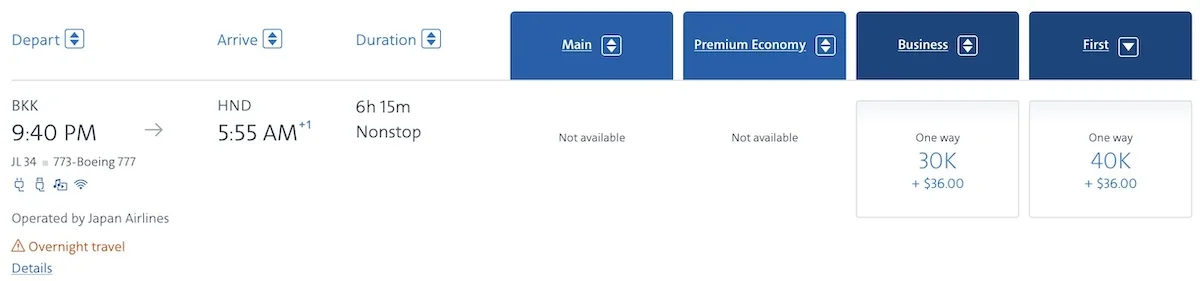
- Japan Airlines first and business class through partner programs is like winning the lottery — finding long haul space to and from the US is genuinely hard.
And the kicker: when the seats do show up, the prices are still amazing. That 50,000 mile Etihad A380 first class fare out of Abu Dhabi? Still a steal. A 40,000 mile Japan Airlines 777 first class seat from Bangkok to Tokyo? Incredible deal. It’s just that these redemptions are aspirational — beautiful products, rarely on a route you actually need.
There’s still some British Airways award space, but it comes with big carrier-imposed surcharges that eat the savings. And you’ll find scattered seats on carriers like Aer Lingus, Finnair, Iberia, Royal Air Maroc, and Royal Jordanian, though availability to and from the US often leaves a lot to be desired.
The pattern: nearly every redemption that historically made AAdvantage miles so valuable has gone from reasonably attainable to something more like a lottery ticket. And honestly, it’s not really American’s fault — the partner airlines decide what space they release, and the industry has shifted on how they do that.
This is where I keep coming back to the number I’ve used for years to value these miles: 1.5 cents each. That’s my estimate, not a price tag — but I’m genuinely wondering whether it’s time to nudge it down a touch.
Where AAdvantage still shines: American’s own flights
It’s not as glamorous as a first class seat on a partner long hauler, but here’s where I’d point you in 2026.
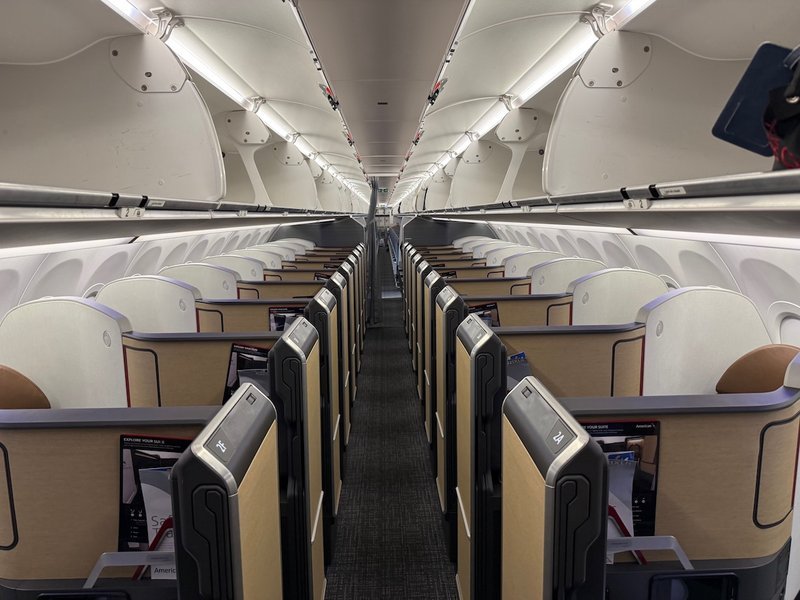
- American’s domestic economy and first class award pricing is, on balance, better than Delta’s and United’s — the “big three” US carriers.
- Even when there are no saver fares (the low fixed-price award tickets), American’s dynamic award pricing (where the mile cost scales with the cash fare) on long haul flights tends to land below what Delta and United charge, on average.
Two caveats I’d be remiss not to flag. First, when American does have saver space, Alaska’s Atmos Rewards program often gives you better value on the same routes — and American has started cutting off partner award space six days before departure, which limits last-minute use. Second, American’s long haul network is genuinely limited. It works well if you’re headed to Seoul, Shanghai, or Tokyo. But try to get to Cape Town, Nice, Tahiti, or Singapore on United’s network instead — that’s where the gap really shows, and United has the clear win.
Worth It?
Worth it — with a strategy. AAdvantage miles are no longer a set-it-and-forget-it points hoard. Spend them on American’s own metal for domestic and short-haul international trips, or on partner awards that don’t touch the US, where availability is often better. Chase the dream partner first class seat if it shows up, but don’t wait for it.
FAQ
Are AAdvantage miles losing value? Slowly, yes — mostly because partner airlines are restricting the award space that made the program famous, not because of any single change American made.
What’s the best way to use AAdvantage miles right now? American metal for domestic and short-haul flights, and partner awards on non-US routes where availability is stronger. Both beat stretching the same miles across a restricted long haul partner catalog.
What are AAdvantage miles worth? I’ve valued them at 1.5 cents per mile for years. The partner restrictions are pushing me to revisit that number, but the redemptions that do remain are still excellent value when you can grab them.
A note from Dana
I’ve been comparing these programs for a long time, and I’ll say this much: the dip is real, but it’s a dip, not a collapse. AAdvantage is still my default answer to “which miles should I use?” — as long as you know where to aim them.
If you’re working your points harder, these pair well with this post: the credit cards that actually earn the miles worth spending and how I hunt award seats without losing my mind.